Thinking about crossing the state line for your next move? If you live in Central Massachusetts and want more breathing room without giving up access to Worcester or Providence, North Smithfield, Rhode Island may already be on your radar. The key is knowing how the town actually works, from commuting and housing patterns to taxes and closing details, so you can make a smart move with fewer surprises. Let’s dive in.
Why North Smithfield Appeals
If you are moving from Central Massachusetts, North Smithfield can feel familiar in some of the best ways. It is a small town in northern Providence County with an estimated population of 12,899, and it has a strongly owner-occupied housing profile with an owner-occupied rate of 77.9%, according to U.S. Census QuickFacts for North Smithfield.
That owner-occupied pattern often signals a market shaped more by long-term homeownership than by dense rental turnover. Census data also shows a median owner-occupied home value of $457,200, which gives you a useful starting point if you are comparing prices and payment expectations with nearby Central Massachusetts communities.
For many buyers, the appeal is practical. You may get a town setting that leans residential and low-density, while still keeping a reasonable connection to major work and shopping corridors.
What Homes Look Like
North Smithfield is not a one-size-fits-all housing market. The town’s zoning ordinance divides residential land into four districts: REA, RA, RS, and RU.
In simple terms, REA and RA are more rural and lower-density districts. RS and RU allow more suburban and urban-style housing patterns, so what you see can vary depending on where in town you focus your search.
If you are coming from Central Massachusetts suburbs, this distinction matters. Some areas may feel more open and spread out, while other pockets are more village-oriented or traditionally suburban in layout.
Expect More Single-Family Homes
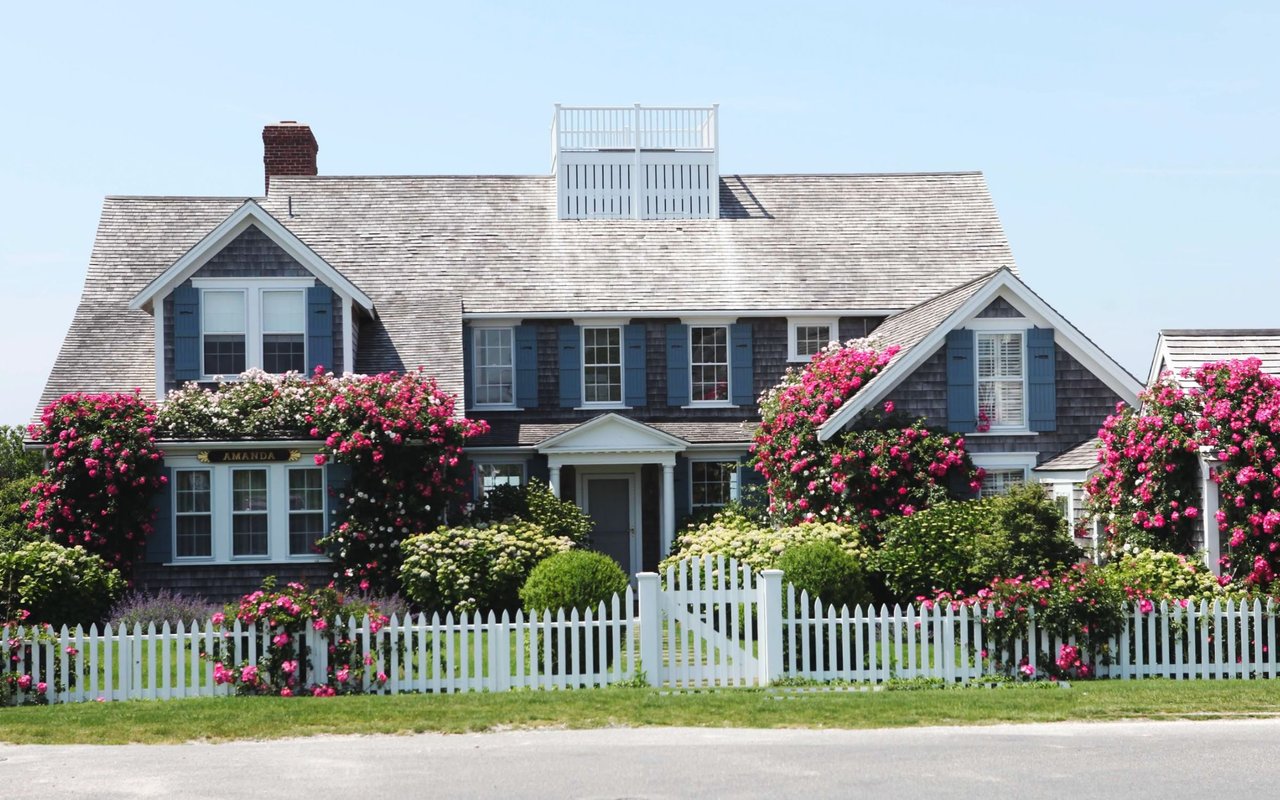
Based on the town’s land-use structure and owner-occupied profile, North Smithfield tends to lean toward single-family homes and lower-density residential living rather than a condo-heavy, dense urban environment. That can make the town especially appealing if you want more yard space, a less crowded feel, or a classic neighborhood or village setting.
This does not mean every home is the same. It means your home search should stay focused on the type of property, lot size, and utility setup that fit your goals.
Utility and Septic Checks Matter
One of the biggest practical differences from one property to the next is infrastructure. The zoning ordinance notes that some parts of town are shaped by public water and sewer availability, while other areas may require larger lots to support on-site sewage disposal systems.
For you as a buyer, that means it is smart to verify utility details early. If a home is outside a more suburban pocket, septic and water questions can be just as important as the layout, price, or finishes.
Historic District Rules Can Affect Updates
North Smithfield also has two local historic districts: Slatersville and Union Village. According to the town’s Historic District Commission information, exterior work such as construction, alteration, repair, moving, or demolition in those districts is subject to additional review.
That does not make buying in those areas a bad idea. It simply means you should understand the rules before planning major exterior changes so your expectations match the property.
Commuting From North Smithfield
For many Central Massachusetts buyers, commute logistics are a big part of the decision. North Smithfield’s location makes Route 146 a major factor.
The town’s official directions to town offices place Worcester about 26 to 29 miles away via Route 146 South and Providence about 11 to 15 miles away via Route 146 North. If you work in either direction, that gives you a quick way to frame the town geographically.
Route 146 Is the Main Spine
If you drive, Route 146 will likely be part of your regular routine. For many buyers moving from Central Massachusetts, that is one of North Smithfield’s biggest advantages because it supports cross-border commuting in a fairly direct way.
That said, commute planning should include real-world conditions, not just mileage. The Rhode Island Department of Transportation says the Route 146 reconstruction project began in 2022, is scheduled through 2026, and still involves detours and lane closures as of March 2026.
If you expect to drive this corridor often, it is worth checking current project updates as part of your home search. A house can look perfect on paper, but roadwork can change how your week actually feels.
Public Transit Is Limited but Available
North Smithfield is mostly car-oriented, but it is not completely without transit. RIPTA service in North Smithfield includes Route 54 Lincoln/Woonsocket, Route 59x North Smithfield/Lincoln Mall Park-n-Ride, and Route 282 Pascoag/Slatersville Flex.
The Flex option is reservation-based and requires advance scheduling, so it works differently from a standard fixed-route bus. If you need public transportation for work or routine appointments, verify the current schedule and service details before you rely on it.
Key Costs to Compare
When you move from Massachusetts to Rhode Island, the purchase price is only part of the picture. You also want to compare taxes, timing, and recurring ownership costs.
North Smithfield Property Taxes
North Smithfield’s 2025 residential property tax rate is $11.499 per $1,000 of assessed value. On a $500,000 assessment, that works out to about $5,750 per year before any exemptions or adjustments.
The town bills property taxes quarterly on August 15, October 15, January 15, and April 15. That schedule matters because your closing date can affect prorations and when you should expect your first bill.
Rhode Island Transfer Tax Basics
Rhode Island’s real estate conveyance tax is $3.75 per $500 of consideration as of January 1, 2026, according to the state’s conveyance tax adjustment notice. The state also notes that the seller typically pays the conveyance tax unless the parties agree otherwise, and funds are generally handled through the closing process at recording, as explained by the Rhode Island Division of Taxation.
For residential property, a higher Tier 2 rate applies to consideration above the $824,000 threshold. If your price point is below that number, the standard rate is the main figure to understand.
Massachusetts vs. Rhode Island Closing Differences
Massachusetts still imposes a deeds excise of $2.28 per $500, which is lower than Rhode Island’s standard conveyance tax rate. On a $500,000 sale, that means roughly $3,750 in Rhode Island conveyance tax versus about $2,280 in Massachusetts deeds excise.
If you are selling in Massachusetts while buying in Rhode Island, this is where details start to stack up. You may be managing two different closings, two different tax structures, and two different sets of timing questions all at once.
What Central Massachusetts Buyers Should Double-Check
When you tour homes in North Smithfield, it helps to go in with a practical checklist. A calm move usually comes from asking the right questions early.
Review These Details Early
- Commute route: Test your likely drive using Route 146 at realistic times.
- Utility setup: Confirm public water, sewer, or private system details.
- Septic considerations: If applicable, ask about system type and what inspections may be needed.
- Tax timing: Review property tax prorations and quarterly billing expectations.
- Historic district status: Check whether the home is in Slatersville or Union Village.
- Closing coordination: If you are also selling in Massachusetts, line up your dates carefully.
None of these items are dramatic on their own. Together, though, they can have a big impact on budget, timing, and stress level.
Why Cross-Border Guidance Helps
A move from Central Massachusetts to North Smithfield may look simple on a map, but the transaction itself can involve more moving parts than buyers expect. You may be comparing two states’ tax rules, planning around a Massachusetts sale, tracking Rhode Island property tax billing, and verifying property-specific details like utilities or historic district restrictions.
That is where clear communication and step-by-step guidance make a difference. The goal is not to make the process feel complicated. It is to help you stay informed, make strong decisions, and avoid last-minute surprises.
If you are weighing a move to North Smithfield from Central Massachusetts, working with someone who understands both sides of the state line can make the process feel much more manageable. If you want honest guidance and a calm, strategic plan, connect with Amy Marshall to talk through your timing, commute priorities, and next steps.
FAQs
What is North Smithfield, RI like for buyers moving from Central Massachusetts?
- North Smithfield is a small northern Providence County town with a population of 12,899, a strong owner-occupied profile, and a housing mix that generally leans lower-density and single-family rather than dense urban development.
What kinds of homes are common in North Smithfield, RI?
- Buyers will often find single-family homes, lower-density residential areas, and village or historic-district pockets, with zoning that ranges from rural agricultural districts to more suburban and urban residential districts.
Is North Smithfield, RI a good commute to Worcester or Providence?
- The town’s official directions place Worcester about 26 to 29 miles away and Providence about 11 to 15 miles away, with Route 146 serving as the main commuting corridor for many drivers.
Does North Smithfield, RI have public transportation?
- Yes, RIPTA serves the town through Route 54, Route 59x, and Route 282 Flex, but service is limited and the Flex route requires advance reservations.
What property tax rate should buyers expect in North Smithfield, RI?
- The 2025 residential property tax rate is $11.499 per $1,000 of assessed value, which equals about $5,750 annually on a $500,000 assessment before exemptions or adjustments.
What should Massachusetts buyers verify before buying in North Smithfield, RI?
- Key items include commute logistics, public water or sewer availability, septic details where applicable, quarterly property tax billing, and whether the home is located in a local historic district with exterior review requirements.